Why a Professional Roof Inspection Matters for Your Home
When I first bought my house in Austin, I figured a roof was a roof. You slap some shingles on it, maybe patch a leak every few years, and call it a day. That assumption cost me. A small drip turned into a ceiling stain, which turned into a full replacement of a section of decking. The roofer who came out told me that a proper check six months earlier would have caught the problem. That is when I learned the value of a professional roof inspection.
Roofs do not fail overnight. They wear down slowly, often in places you cannot see from the ground. A trained eye knows where to look and what to look for. That is the difference between catching a minor issue and dealing with a major repair. In a climate like Central Texas, where heat, hail, and heavy rain all take their turn, routine checks are not optional. They are part of owning a home.
What Gets Checked During a Professional Roof Inspection
A thorough inspection goes far beyond a quick glance at the shingles. The inspector will walk the roof surface, check the flashings around chimneys and vents, and examine every penetration point. One of the most overlooked spots is the faucet vent pipe boots, the rubber seals around pipes that protrude through the roof. These crack over time, and once they do, water finds its way in.
Another critical area is the valley flashing. Valleys are where two roof slopes meet, and they channel a lot of water. If the flashing is lifted, rusted, or missing, that is a direct path for moisture to enter the decking. Similarly, skylight seals need close attention. A skylight that looks fine from inside can have a compromised seal that leaks only during a hard, wind-driven rain.
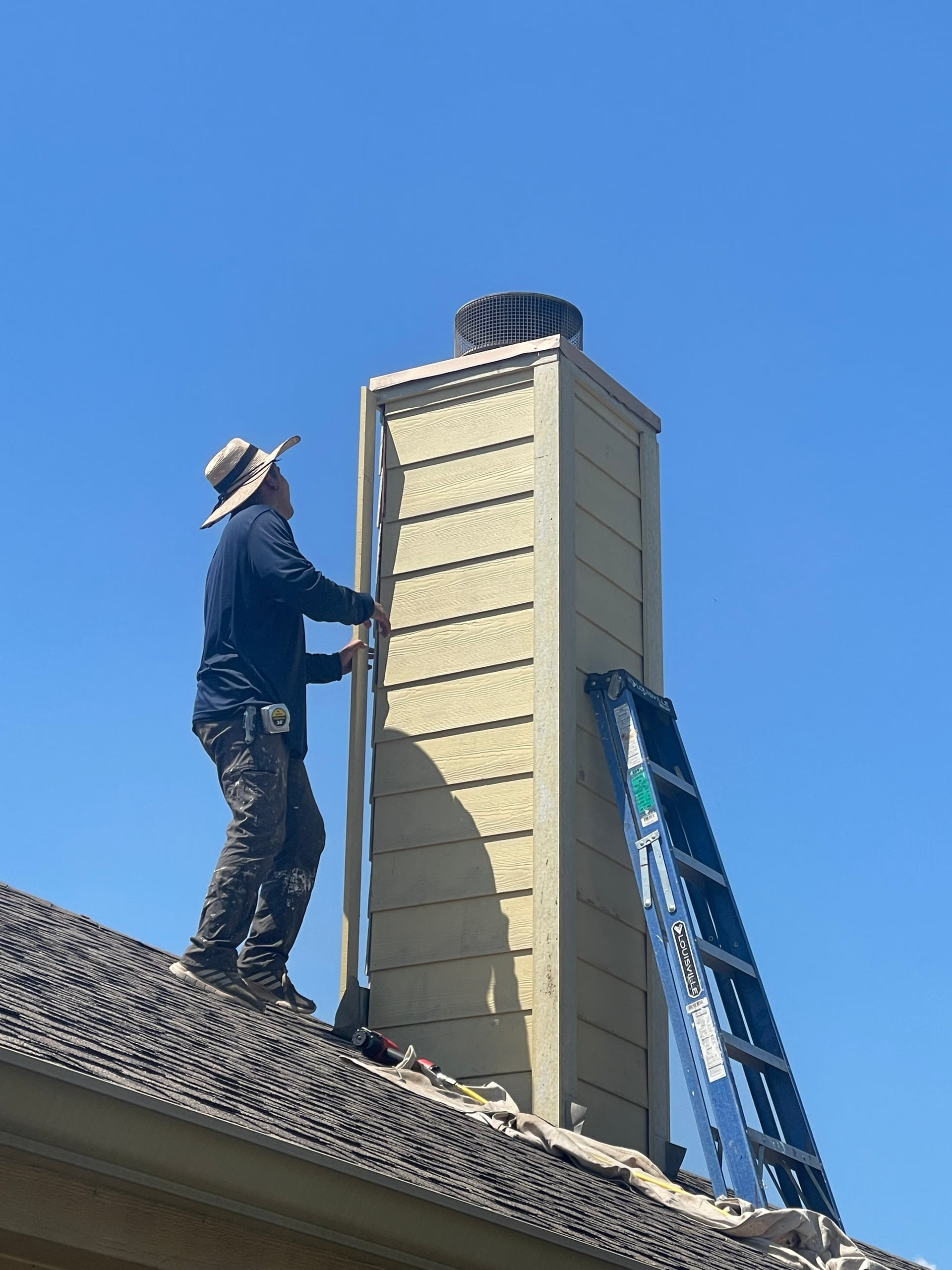
The inspector will also perform a gutter inspection. Gutters that are clogged or sagging can cause water to back up under the shingles, which accelerates rot. Ridge vents and soffit vents are checked to make sure the attic breathes properly. Without good ventilation, heat and moisture build up, which can warp decking and reduce the life of the shingles.
The Structural Side
Below the surface, the structural deck evaluation is one of the most important parts of the inspection. The deck is the plywood or OSB layer under the shingles. If it is rotted or delaminated, the whole roof system is compromised. An inspector will probe suspect areas, look for soft spots, and check for signs of past water damage. This is not something a homeowner can do safely or accurately on their own.
I remember watching a guy do this on my neighbor's house. He used a simple screwdriver to test the wood around a vent pipe. The wood gave way like wet cardboard. That one spot led to a repair that saved the neighbor from a much bigger problem later. A professional roof inspection includes that kind of hands-on checking.
Materials and Standards
Not all roofing materials are the same, and a good inspector knows the differences. Manufacturers like GAF, Owens Corning, and CertainTeed each have their own specifications for installation and warranty requirements. An inspector will verify that the shingles are installed per those specs. For example, if the shingles are nailed too high or too low, they can blow off in a storm. That is a common installation error that voids the warranty.
Fire ratings matter too. ASTM E108 is the standard test for fire resistance of roofing materials. Many insurance companies, including the Texas Department of Insurance, reference this standard when underwriting policies. Underwriters Laboratories also lists approved roofing assemblies. If your roof does not meet those standards, you might face higher premiums or denied claims. A professional inspection can flag that before it becomes a problem.
Energy Performance
Your roof affects your energy bills more than you might think. Energy Star rated roofing products reflect more sunlight and absorb less heat. In a place like Austin, where summer temperatures regularly hit triple digits, that makes a real difference. A cool roof coating can be applied to existing roofs to improve reflectivity. An inspector can tell you if your current roof is a candidate for that treatment or if a full replacement with a reflective shingle would be a better investment.

Austin Energy offers rebates for certain energy-efficient roofing upgrades. A professional inspection can document your current roof condition, which is often required to qualify for those rebates. That is a practical benefit that many homeowners overlook.
Modern Tools
Inspectors today have better tools than they did even ten years ago. Thermal imaging cameras can spot hidden moisture trapped inside the roof assembly. The camera picks up temperature differences that indicate wet insulation or rot. I have seen a thermal scan reveal a slow leak behind a skylight that was completely invisible from the outside. That is the kind of thing a visual inspection alone can miss.
Another tool that has become common is the drone roof survey. Drones allow the inspector to see the entire roof surface from above without walking on steep or fragile areas. This is especially useful for high-pitch roofs or roofs with multiple levels. The drone captures high-resolution images that can be reviewed later for detail. It also keeps the inspector safer, which is a real consideration on a two-story house with a steep slope.
When to Schedule
There is no single right time for an inspection, but there are good rules of thumb. After a major storm, especially one with hail, is an obvious time. But even in quiet years, an annual check is wise. If your roof is more than 15 years old, consider twice a year. The shingle condition assessment part of the inspection will tell you how much life is left in the material. Some shingles lose granules over time, which reduces their UV protection. Others curl or crack at the edges.
If you are buying or selling a home, a professional inspection is even more critical. It gives the buyer leverage for repairs or price negotiation. For the seller, it can prevent surprises during the closing process. I have seen deals fall through because a roof issue was discovered late. An upfront inspection avoids that.
What It Costs vs. What It Saves
A thorough inspection is not free, but it is cheap compared to a repair. A typical inspection in Austin runs a few hundred dollars. A single leak repair can cost that much. A full deck replacement or new roof runs thousands. The inspection pays for itself the moment it catches something. Plus, many companies offer free estimates as part of their service, so you can get a quote and an inspection in one visit with no obligation.
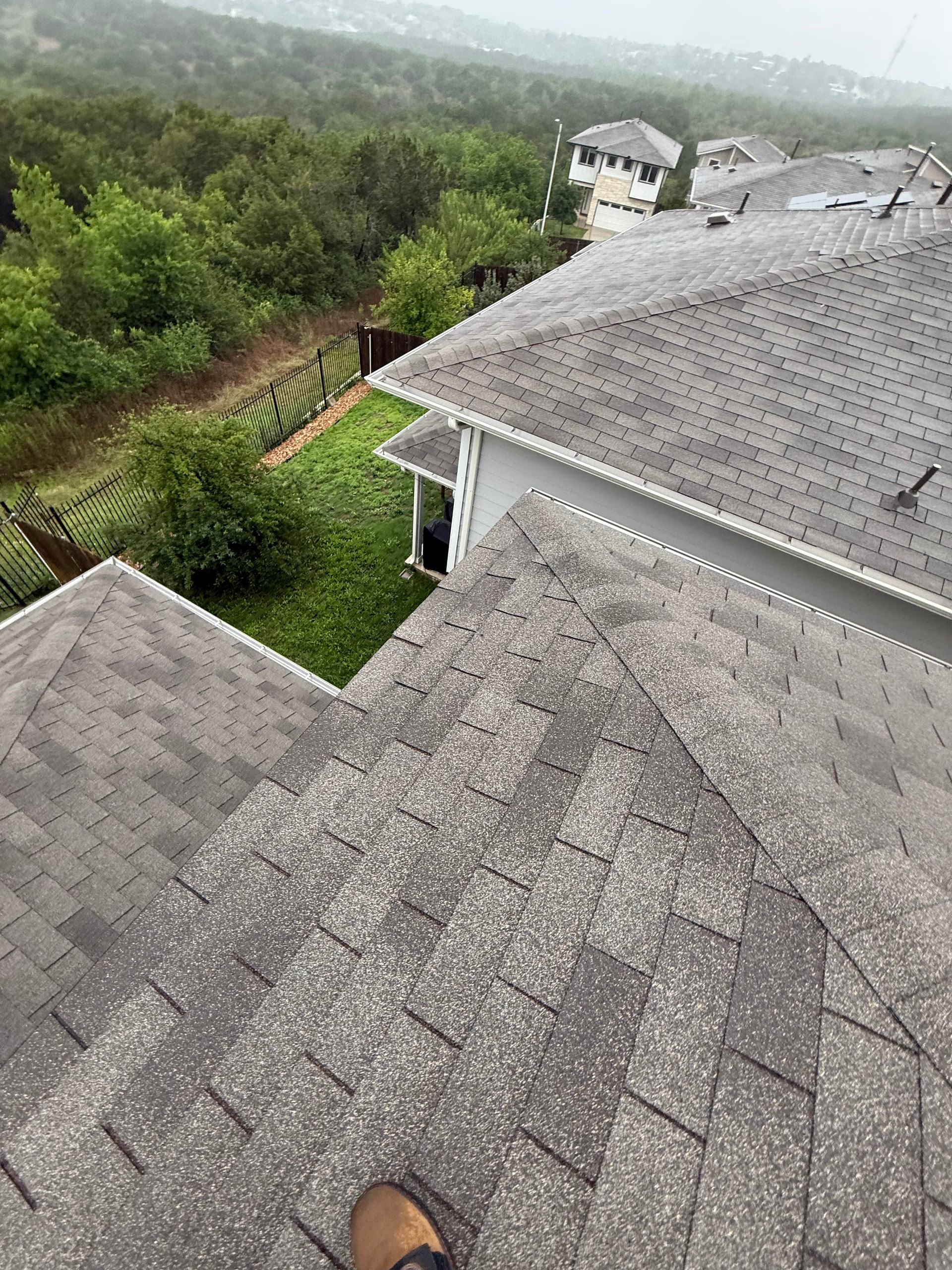
My own experience taught me that waiting is expensive. That small drip I ignored cost me over a thousand dollars in repairs and a weekend of stress. A simple check would have caught the cracked boot on a vent pipe. Since then, I have had a professional roof inspection every spring. I sleep better knowing the roof over my head is sound.
If you have not had yours checked in a while, or if you have never had one, it is worth the time. The peace of mind alone is worth it. And in a climate like Central Texas, where the weather can change in an hour, a roof that is ready for anything is a roof that will last.